What it’s Really Like Bringing Home a Rottweiler Puppy
Bringing home a Rottweiler puppy: what to expect in the first weeks
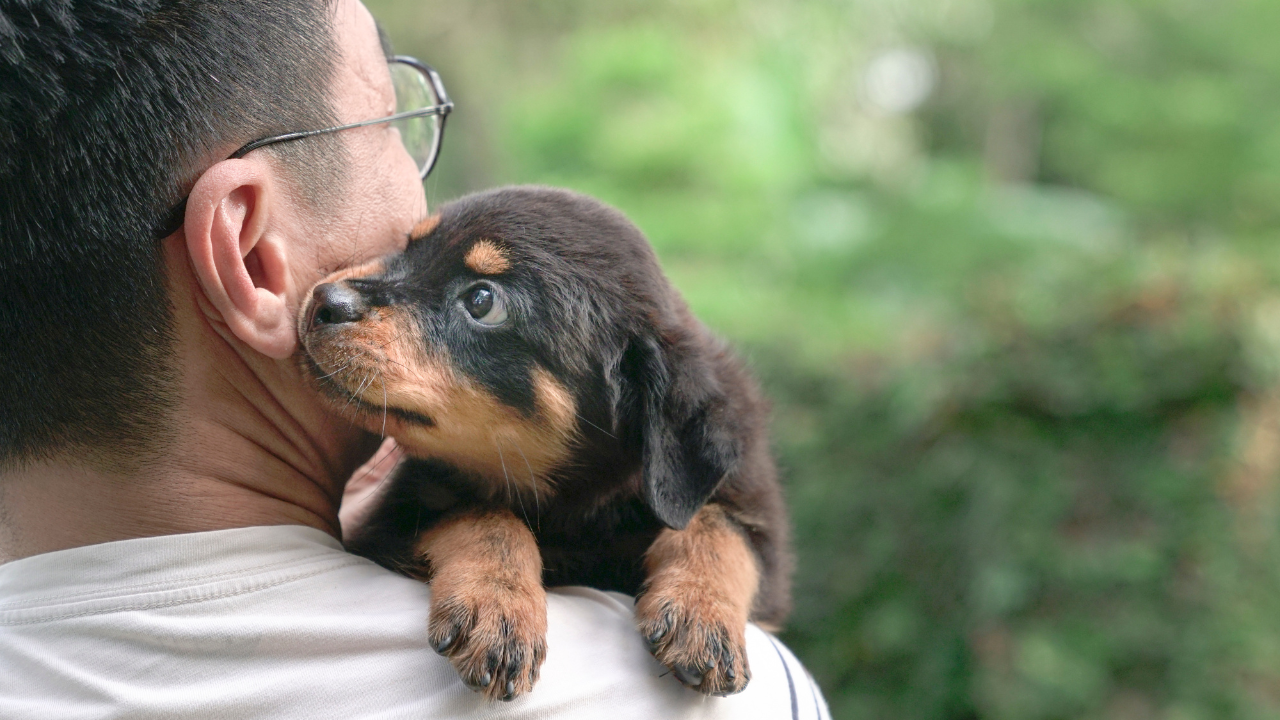
Bringing home a Rottweiler puppy is an exciting milestone, but it is very different from bringing home many other breeds. Rottweilers are intelligent, observant, and purposeful—even as young puppies. They are not simply growing into their temperament; they arrive already wired to assess their environment, bond closely with their people, and look for structure.
Understanding what is normal for a Rottweiler puppy in the first days and weeks helps you set realistic expectations and create a strong foundation for the adult dog they will become.
The Rottweiler temperament starts early
Many new owners are surprised by how thoughtful a Rottweiler puppy can be. Instead of constant chaos, you may see periods of quiet observation mixed with bursts of play.
Early temperament traits often include:
-
Pausing to watch before engaging
-
Staying physically close to family members
-
Strong eye contact and awareness
-
Confidence paired with sensitivity to change
This seriousness is part of the breed’s working heritage. Your puppy is learning who you are, how your household works, and what is expected long before formal training begins.
The first 72 hours at home
The transition from breeder to home is a major adjustment. New sights, smells, sounds, and routines can be overwhelming, even for a confident puppy.
During the first few days, it is normal for a Rottweiler puppy to:
-
Sleep more than expected
-
Eat lightly the first day or two
-
Vocalize at night
-
Follow you closely or, conversely, seek quiet space
Keep the environment calm and predictable. Limit visitors, establish a simple routine, and allow your puppy to decompress. These first days are about security, not stimulation.
Why structure matters so much for this breed
Rottweilers thrive on clarity. Structure gives them confidence and helps prevent confusion-driven behaviors later on.
Strong early structure includes:
-
Consistent feeding times
-
Regular potty breaks
-
Defined resting areas
-
Calm, consistent handling
Structure is not about strictness or dominance. It is about clear communication. When a Rottweiler puppy understands what to expect, they relax and engage more willingly.
Building trust and connection from day one
Rottweiler puppies form deep, lasting bonds. The relationship you build early will shape how your dog responds to guidance throughout their life.
Effective early bonding looks like:
-
Calm praise instead of constant excitement
-
Hand-feeding portions of meals to build trust
-
Gentle handling of paws, ears, and mouth
-
Short, positive training interactions
These puppies want to work with their people. When guidance feels fair and predictable, cooperation comes naturally.
Socialization with purpose, not pressure
Socialization is essential, but for Rottweilers, quality matters more than quantity. The goal is a dog who is confident and neutral in many environments.
Good socialization includes:
-
Exposure to different surfaces and environments
-
Calm introductions to people of all ages
-
Controlled interactions with stable dogs
-
Learning to observe without being forced to engage
A well-socialized Rottweiler is steady and self-assured, not frantic or reactive.
Training begins immediately
Rottweilers are quick learners and fast pattern-builders. What they practice early tends to stick, for better or worse.
In the first weeks, focus on:
-
Name recognition
-
Simple positions such as sit and down
-
Leash familiarity
-
Waiting calmly for food or doors
Keep sessions short and frequent. Clear expectations paired with positive reinforcement help your puppy understand how to succeed.
Understanding normal Rottweiler puppy behaviors
Some behaviors can catch new owners off guard but are completely normal for the breed.
You may notice:
-
Intense mouthing due to strong jaws
-
Leaning or body blocking
-
Guarding favorite resting spots
-
Deep focus on movement or sound
These behaviors reflect confidence and engagement. They require guidance and redirection, not punishment. Teaching appropriate outlets early prevents frustration later.
Rest and growth are part of training
Rottweiler puppies grow rapidly, and their bodies need protection during this stage.
Support healthy development by:
-
Limiting stairs and jumping
-
Avoiding forced or repetitive exercise
-
Encouraging frequent naps
-
Providing good footing indoors
A well-rested puppy learns better, copes with change more easily, and develops more soundly.
Laying the groundwork for a stable adult dog
The first weeks are not about perfection. They are about consistency, patience, and clarity.
When your Rottweiler puppy experiences:
-
Predictable routines
-
Fair boundaries
-
Calm leadership
-
Positive, controlled exposure
They gain confidence in both themselves and their environment. These early lessons shape a reliable, trustworthy adult.
Final thoughts
Bringing home a Rottweiler puppy is the beginning of a powerful partnership. This breed rewards thoughtful ownership with loyalty, intelligence, and deep connection.
By understanding what to expect, honoring the breed’s working heritage, and staying consistent during the early weeks, you set your Rottweiler puppy up for a lifetime of success as a companion and guardian.
Rottweiler Liability Explained: What every Guardian Breed Owner Must Know
When power, instinct, and ownership intersect
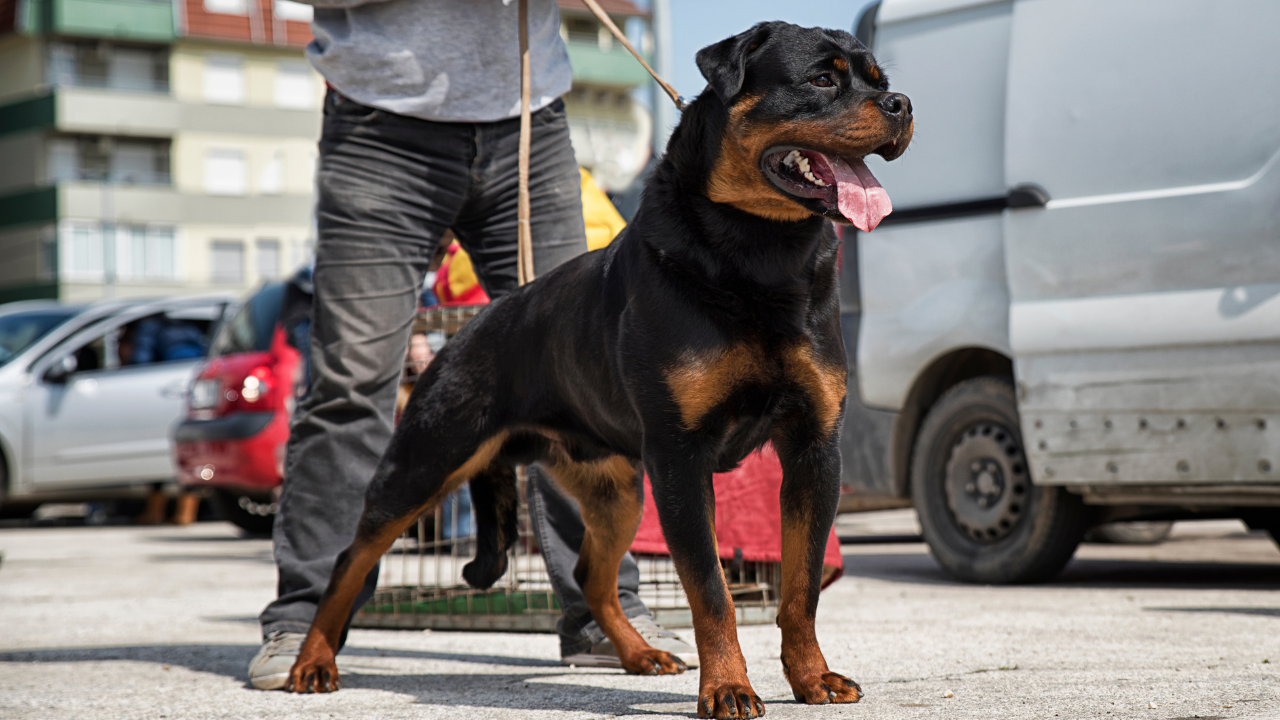
Rottweilers are one of the most capable and misunderstood guardian breeds in the dog world. Strong, intelligent, and deeply intuitive, they were never designed to be passive companions. They were bred with purpose—to guard, assess, and protect.
Yet many modern owners bring a guardian breed into their home without fully understanding what that responsibility entails. When instinct meets poor management, confusion follows. And when confusion meets the wrong situation, liability becomes very real, very fast.
Before we go any further, this perspective says it best—clearly, bluntly, and with uncomfortable accuracy:
Let’s have a quick chat about liability when you own a guardian breed—because some of y’all look genuinely baffled that your Rottweiler… guards.
This is a dog bred for centuries to protect property, livestock, families, and occasionally your emotional stability when life is messy. This is not a doodle who picked up a side gig. This is a dog whose entire genetic résumé reads: “Head of Security.”
So when your Rottie stations herself at the window like a federal agent waiting for a plot twist, that’s not reactivity. That’s her shift starting. She’s checking the perimeter, assessing threats, and mentally categorizing the landscapers as “possible leaf criminals.”And here’s the part some folks don’t want to hear:
If you don’t train or supervise that kind of instinctive power?
The liability is 100% on you.Your dog doesn’t care that you live in a serene cul-de-sac where the wildest thing that happens is someone putting their recycling out late. Guardian breeds don’t read HOA newsletters—they read body language, tension, energy, and intent. They clock the vibe of a room before you even turn the doorknob.
Training? Not optional.
Management? Not optional.
Understanding what your dog was bred for? Also not optional—unless you enjoy filling out incident reports at midnight.If your Rottweiler growls, alerts, blocks, patrols, shadow-walks you, or gives someone that “I’ve noticed your existence” stare?
That’s not misbehavior.
That’s ancestry clocking in.Your dog isn’t broken. She is literally doing her job.
So be proactive.
Teach her what real threats look like.
Reinforce neutrality.
Give her structured work that doesn’t involve terrifying the Amazon driver.
Advocate for her. Train consistently.And stop acting shocked when a working-bred dog shows up ready to, you know… work.
Because if you don’t give structure to a guardian breed, they’ll start freelancing.
And trust me—
you do not want a freelance Rottweiler making executive decisions.~Author Unknown
What responsible guardian breed ownership actually requires
Guardian breeds thrive when leadership, structure, and clarity are consistent. When owners fail to provide those things, dogs are forced to interpret the world on their own—and they will default to instinct every time.
Responsible ownership means:
-
Proactive training that teaches neutrality, control, and appropriate responses
-
Daily management of environment, visitors, and situations
-
Understanding breed history and genetic purpose
-
Advocacy that protects both the dog and the public
-
Accepting liability as a given, not a surprise
This is not about suppressing instinct. It is about shaping it. A well-trained Rottweiler is confident, discerning, and stable. A poorly managed one is placed in impossible situations that set them up to fail.
Guardian breeds do not need less structure. They need more—and they deserve it.
If you choose a Rottweiler, you are choosing power, loyalty, intelligence, and responsibility in equal measure. Honor that choice by doing the work.