Neuroaxonal Dystrophy (NAD) In Rottweilers
A Preventable But Fatal Genetic Disease
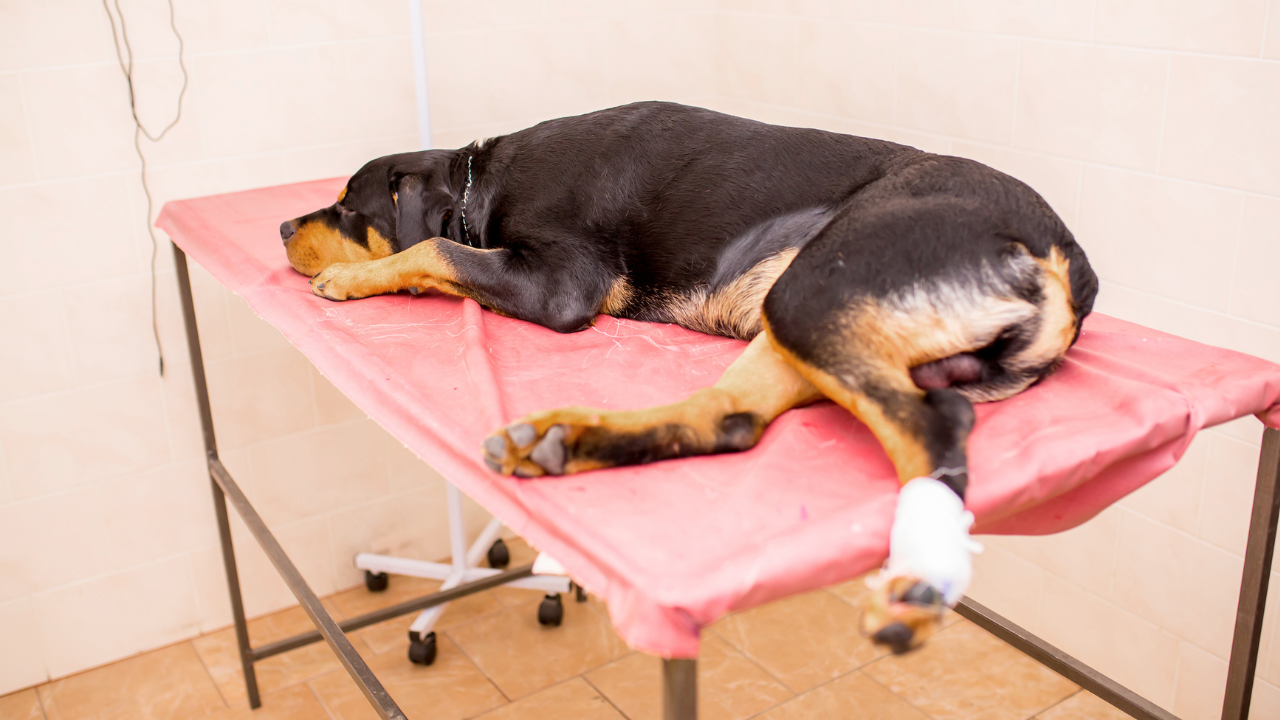
Neuroaxonal Dystrophy (NAD) is a serious inherited neurological disease that affects Rottweilers. It is progressive, incurable, and ultimately fatal. The most important thing to understand is this: NAD is preventable through DNA testing and responsible breeding.
If you are planning a breeding or purchasing a puppy, understanding NAD is essential.
What Is NAD?
Neuroaxonal Dystrophy is a degenerative neurological disorder caused by a mutation in the VPS11 (Vacuolar Protein Sorting 11) gene. It affects the brain and spinal cord and results in progressive loss of coordination and motor control.
NAD is inherited as an autosomal recessive condition. This means a puppy must inherit two copies of the mutated gene, one from each parent, to be affected.
Dogs fall into three categories:
- Clear (N/N) – The dog does not carry the mutation.
- Carrier (N/NAD) – The dog carries one copy of the mutation but will not develop the disease.
- Affected (NAD/NAD) – The dog has two copies of the mutation and will develop NAD.
Because carriers appear completely normal, affected puppies can be produced if two carriers are bred together.
When Does NAD Appear?
NAD typically develops in young Rottweilers between 6 and 18 months of age.
Common early signs include:
• Wobbly or drunken gait (ataxia)
• High-stepping, uncoordinated movement
• Postural instability
• Intention tremors when trying to move
• Involuntary eye movements (nystagmus)
The disease progresses steadily. Most affected dogs become severely neurologically impaired by one to two years of age.
There is no treatment and no cure.
Diagnosis And Testing
While definitive diagnosis historically required post-mortem examination of the nervous system, today DNA testing allows identification of clear, carrier, and affected dogs before breeding ever occurs.
This makes prevention straightforward and responsible.
How To Prevent NAD
Prevention is simple and non-negotiable in modern breeding programs:
• DNA test all breeding stock
• Ensure at least one parent is Clear (N/N)
• Never breed two carriers together
• Never breed an affected dog
If one parent is Clear, affected puppies cannot be produced.
Where To Test
The VPS11 mutation associated with NAD is included in the UC Davis Veterinary Genetics Laboratory Rottweiler Health Panel.
Breeders and owners can learn more here:
https://vgl.ucdavis.edu/panel/rottweiler-health-panel
The panel includes Neuroaxonal Dystrophy testing along with other important breed-related genetic conditions. Testing is typically performed using a cheek swab or blood sample submitted to the laboratory.
What Puppy Buyers Should Ask
If you are purchasing a Rottweiler puppy, ask for:
• DNA test results for NAD
• Documentation showing at least one parent is Clear
• Official laboratory reports, not verbal assurances
A responsible breeder will provide this information willingly.
There Is No Treatment
It bears repeating. NAD is progressive and fatal. Most affected dogs are humanely euthanized due to declining quality of life.
Because testing is readily available, producing affected puppies today is preventable.
Protecting The Breed
Ethical breeding requires proactive health testing. NAD is one of the conditions that can and should be prevented through informed decision-making.
Test.
Verify.
Breed responsibly.
The future of the Rottweiler depends on it.
LEMP In Rottweilers Explained: What Breeders And Puppy Buyers Need To Know
Leukoencephalomyelopathy (LEMP) is a devastating neurological disease that we are seeing more frequently in Rottweilers — particularly as carriers become more common in the gene pool. Because this condition is inherited and currently untreatable, education and genetic testing are critical to protecting our breed.
If you are breeding, planning a litter, or purchasing a puppy, this is something you cannot ignore.
What is LEMP?
LEMP (Leukoencephalomyelopathy) is a severe, hereditary neurodegenerative disease that affects the white matter of the central nervous system — specifically the spinal cord and brain.
Affected dogs typically begin showing symptoms between 1 and 3 years of age. The disease progresses rapidly and is painless, but it ultimately leads to complete loss of mobility.
There is no cure.
Clinical signs and progression
LEMP is characterized by progressive ataxia (loss of coordination).
Early signs often include:
-
Dragging of the paws
-
Knuckling over at the pastern
-
Stiff or uncoordinated gait
-
Weakness that often begins in the front limbs
As the disease advances:
-
Weakness becomes generalized
-
Coordination continues to deteriorate
-
Dogs may become completely immobile within 6–12 months
Because the disease is progressive and irreversible, euthanasia is often elected once quality of life declines significantly.
Cause and inheritance
LEMP is caused by a mutation in the NAPEPLD gene.
It is inherited in an autosomal recessive manner. This means:
-
A dog with two copies of the mutation (LEMP/LEMP) will be affected.
-
A dog with one copy (N/LEMP) is a carrier.
-
A dog with two normal copies (N/N) is clear.
Two carriers bred together can produce affected puppies. That is why responsible genetic screening is essential.
Diagnosis
Definitive diagnosis typically involves MRI imaging, which shows:
-
Symmetrical, non-contrast-enhancing lesions
-
White matter damage in the cervical spinal cord and brain
However, by the time clinical signs appear, the disease process is already well underway.
Prevention through genetic testing is far more effective than attempting diagnosis after symptoms begin.
Is there treatment?
There is no effective treatment for LEMP.
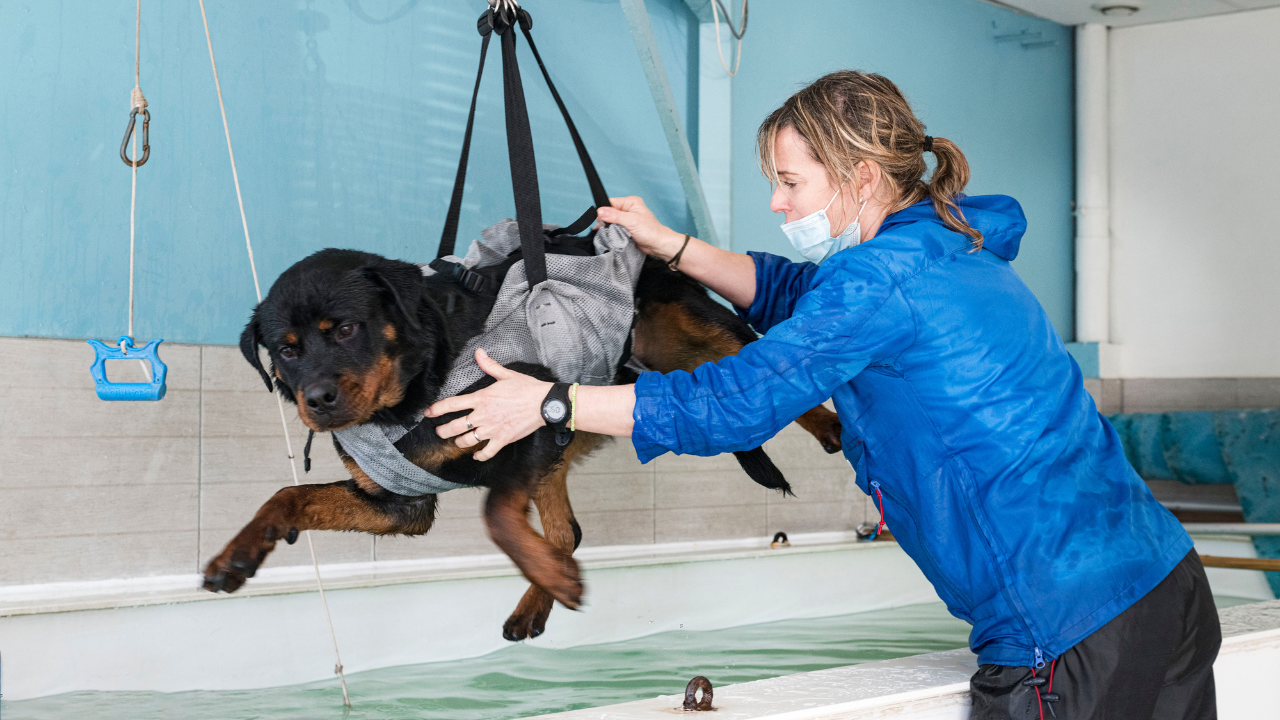
Supportive care may temporarily help with mobility and comfort, but the condition is progressive and fatal. Prevention through informed breeding decisions is currently the only reliable strategy.
Genetic testing: the most important step
A DNA test is available to identify:
-
Clear dogs (N/N)
-
Carriers (N/LEMP)
-
Affected dogs (LEMP/LEMP)
Breeders should utilize the official Rottweiler genetic panel from UC Davis Veterinary Genetics Laboratory, which includes LEMP testing:
👉 https://vgl.ucdavis.edu/panel/rottweiler
At minimum, at least one parent of every litter must be tested CLEAR (N/N) to ensure no affected puppies are produced.
Breeding a carrier to a clear dog will not produce affected puppies, but breeding two carriers together absolutely can.
What puppy buyers should ask
If you are purchasing a Rottweiler puppy, ask:
-
Have the sire and dam been tested for LEMP?
-
Can I see the official genetic results?
-
Is at least one parent CLEAR?
A responsible breeder will provide documentation without hesitation.
Why this matters now
We are seeing more carriers identified in the breed. That does not mean panic. It means awareness.
Genetic knowledge gives us the power to make informed decisions. Ignoring it risks producing affected puppies and devastating families.
The tools are available. The test is accessible. The responsibility belongs to all of us.
If we want strong, healthy Rottweilers for future generations, LEMP testing must become standard practice.
What the oldest living dogs can teach us about aging, cancer, and discovery
What the oldest living dogs can teach us about aging, cancer, and discovery
What if the secret to successful aging was already living quietly in our homes?
In this compelling TEDxPurdueU talk, David Waters takes us on a cross-country scientific journey that challenges long-held assumptions about aging, stress, and disease—through the lives of the oldest living dogs in America.
Rather than studying aging from behind laboratory walls, this research unfolded in living rooms, backyards, and quiet homes where exceptionally old dogs continue to thrive. The results raise important questions not just about longevity, but about how discovery itself happens.
A 40-day journey to study exceptional aging
The story begins in Homer, Alaska, with a dog named Kiri—one of the oldest dogs encountered during a 40-day scientific expedition across six states and 18 interstate highways. This journey, known as the “Old Grey Muzzle Tour,” was designed to study the oldest living dogs in the United States in their natural home environments.
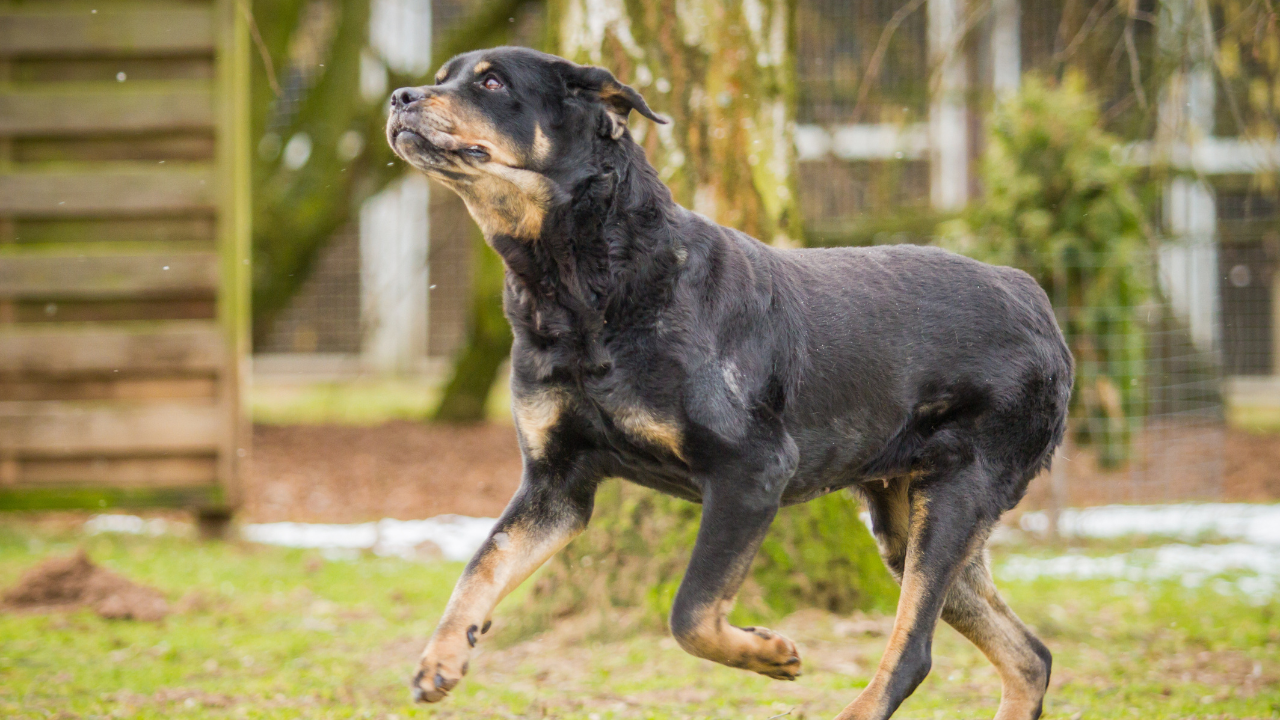
These dogs are rare. In some cases, only a handful are alive nationwide at any given time. One such dog, a Rottweiler well into her teens, represents the physiological equivalent of a centenarian human. Observing these animals where they live, rather than in artificial settings, allowed researchers to ask deeper questions about what successful aging truly looks like.
Why Rottweilers matter in aging research
Rottweilers are known to be a cancer-prone breed with an average lifespan far shorter than many other dogs. Yet within large datasets collected over decades, a small subset of Rottweilers lived far beyond expectations—reaching ages comparable to 100-year-old humans.
What made them different?
These exceptionally long-lived dogs showed something unexpected: a resistance to cancer mortality. While cancer commonly causes death in Rottweilers of average lifespan, it was far less likely to be the cause of death in these oldest individuals. This discovery prompted a deeper investigation into what biological and environmental factors might be protecting them.
Cancer resistance does not always mean cancer absence
One of the most surprising findings came from post-mortem examinations. Many of these long-lived dogs were found to harbor cancer—sometimes multiple, independent cancers—yet the disease had not shortened their lives.
This reframes a fundamental question in cancer science. Instead of asking how to eliminate cancer entirely, these dogs suggest another possibility: how cancer might be transformed from a lethal condition into a manageable, non-lethal one.
Understanding how this happens could have profound implications for both veterinary and human medicine.
Stress, aging, and the cortisol paradox
A second major insight emerged around stress biology.
Conventional wisdom suggests that aging is associated with rising levels of cortisol, a stress hormone linked to immune suppression, cognitive decline, and tumor growth. This pattern appears across many species, including humans.
But when cortisol levels were measured in the oldest living dogs, the results challenged that assumption.
Despite their advanced age, none of the dogs showed elevated cortisol levels. Some even displayed unusually low levels—while still maintaining a healthy, youthful response when their stress systems were challenged. This balance suggests a unique adaptation: the ability to stay calm at baseline while remaining responsive when needed.
This pattern has not been widely documented before and opens new avenues for understanding resilience in aging organisms.
Discovery happens outside the laboratory
Beyond biology, this research highlights a deeper lesson about the scientific process itself.
By conducting examinations in homes rather than controlled lab environments, researchers were able to observe behaviors, stress responses, and environmental factors that might otherwise go unnoticed. Conversations with dog owners revealed lives largely free from chronic stressors—an insight that data alone could not have provided.
The takeaway is simple but powerful: meaningful discovery often begins with firsthand observation.
Getting the words out of your eyes
The central message of this talk echoes a broader philosophy of discovery: assumptions can limit what we see.
When long-standing beliefs define what aging “must” look like, alternative possibilities are easily overlooked. Only by stepping outside established frameworks—by entering living rooms instead of relying solely on laboratories—can new insights emerge.
This idea applies far beyond aging research. Whether studying biology, education, or human behavior, progress depends on curiosity, observation, and a willingness to challenge accepted narratives.
Why this research matters for people and pets
The lessons from the oldest living dogs extend well beyond canine health. They suggest new ways of thinking about:
-
Aging without assuming inevitable decline
-
Managing stress without shutting down resilience
-
Approaching disease as something that can sometimes be adapted to, not just eliminated
-
Rethinking how and where discovery begins
These dogs offer more than companionship. They offer perspective.
Watch the full talk
The video above explores these ideas in depth, weaving together science, storytelling, and a powerful message about discovery in an uncertain world. Watching the full talk provides context, nuance, and insight that go beyond any summary.