Neuroaxonal Dystrophy (NAD) In Rottweilers
A Preventable But Fatal Genetic Disease
Neuroaxonal Dystrophy (NAD) is a serious inherited neurological disease that affects Rottweilers. It is progressive, incurable, and ultimately fatal. The most important thing to understand is this: NAD is preventable through DNA testing and responsible breeding.
If you are planning a breeding or purchasing a puppy, understanding NAD is essential.
What Is NAD?
Neuroaxonal Dystrophy is a degenerative neurological disorder caused by a mutation in the VPS11 (Vacuolar Protein Sorting 11) gene. It affects the brain and spinal cord and results in progressive loss of coordination and motor control.
NAD is inherited as an autosomal recessive condition. This means a puppy must inherit two copies of the mutated gene, one from each parent, to be affected.
Dogs fall into three categories:
- Clear (N/N) – The dog does not carry the mutation.
- Carrier (N/NAD) – The dog carries one copy of the mutation but will not develop the disease.
- Affected (NAD/NAD) – The dog has two copies of the mutation and will develop NAD.
Because carriers appear completely normal, affected puppies can be produced if two carriers are bred together.
When Does NAD Appear?
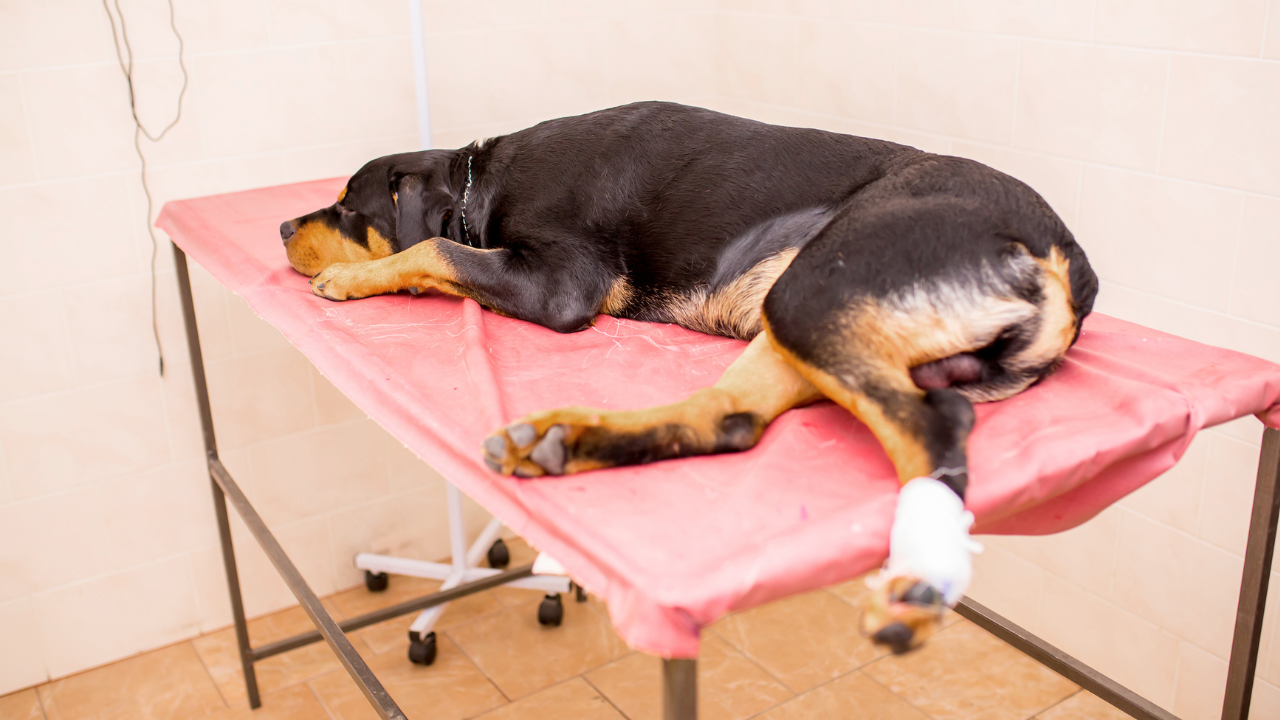
NAD typically develops in young Rottweilers between 6 and 18 months of age.
Common early signs include:
• Wobbly or drunken gait (ataxia)
• High-stepping, uncoordinated movement
• Postural instability
• Intention tremors when trying to move
• Involuntary eye movements (nystagmus)
The disease progresses steadily. Most affected dogs become severely neurologically impaired by one to two years of age.
There is no treatment and no cure.
Diagnosis And Testing
While definitive diagnosis historically required post-mortem examination of the nervous system, today DNA testing allows identification of clear, carrier, and affected dogs before breeding ever occurs.
This makes prevention straightforward and responsible.
How To Prevent NAD
Prevention is simple and non-negotiable in modern breeding programs:
• DNA test all breeding stock
• Ensure at least one parent is Clear (N/N)
• Never breed two carriers together
• Never breed an affected dog
If one parent is Clear, affected puppies cannot be produced.
Where To Test
The VPS11 mutation associated with NAD is included in the UC Davis Veterinary Genetics Laboratory Rottweiler Health Panel.
Breeders and owners can learn more here:
https://vgl.ucdavis.edu/panel/rottweiler-health-panel
The panel includes Neuroaxonal Dystrophy testing along with other important breed-related genetic conditions. Testing is typically performed using a cheek swab or blood sample submitted to the laboratory.
What Puppy Buyers Should Ask
If you are purchasing a Rottweiler puppy, ask for:
• DNA test results for NAD
• Documentation showing at least one parent is Clear
• Official laboratory reports, not verbal assurances
A responsible breeder will provide this information willingly.
There Is No Treatment
It bears repeating. NAD is progressive and fatal. Most affected dogs are humanely euthanized due to declining quality of life.
Because testing is readily available, producing affected puppies today is preventable.
Protecting The Breed
Ethical breeding requires proactive health testing. NAD is one of the conditions that can and should be prevented through informed decision-making.
Test.
Verify.
Breed responsibly.
The future of the Rottweiler depends on it.
LEMP In Rottweilers Explained: What Breeders And Puppy Buyers Need To Know
Leukoencephalomyelopathy (LEMP) is a devastating neurological disease that we are seeing more frequently in Rottweilers — particularly as carriers become more common in the gene pool. Because this condition is inherited and currently untreatable, education and genetic testing are critical to protecting our breed.
If you are breeding, planning a litter, or purchasing a puppy, this is something you cannot ignore.
What is LEMP?
LEMP (Leukoencephalomyelopathy) is a severe, hereditary neurodegenerative disease that affects the white matter of the central nervous system — specifically the spinal cord and brain.
Affected dogs typically begin showing symptoms between 1 and 3 years of age. The disease progresses rapidly and is painless, but it ultimately leads to complete loss of mobility.
There is no cure.
Clinical signs and progression
LEMP is characterized by progressive ataxia (loss of coordination).
Early signs often include:
-
Dragging of the paws
-
Knuckling over at the pastern
-
Stiff or uncoordinated gait
-
Weakness that often begins in the front limbs
As the disease advances:
-
Weakness becomes generalized
-
Coordination continues to deteriorate
-
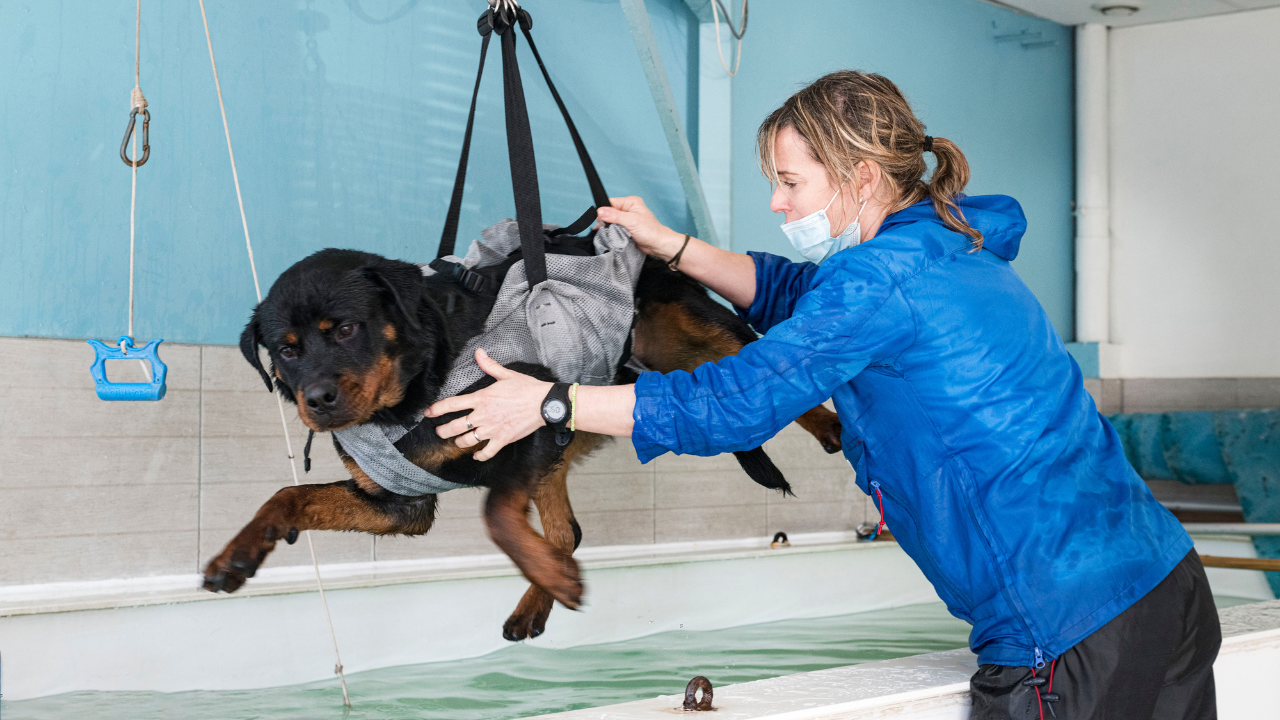
Dogs may become completely immobile within 6–12 months
Because the disease is progressive and irreversible, euthanasia is often elected once quality of life declines significantly.
Cause and inheritance
LEMP is caused by a mutation in the NAPEPLD gene.
It is inherited in an autosomal recessive manner. This means:
-
A dog with two copies of the mutation (LEMP/LEMP) will be affected.
-
A dog with one copy (N/LEMP) is a carrier.
-
A dog with two normal copies (N/N) is clear.
Two carriers bred together can produce affected puppies. That is why responsible genetic screening is essential.
Diagnosis
Definitive diagnosis typically involves MRI imaging, which shows:
-
Symmetrical, non-contrast-enhancing lesions
-
White matter damage in the cervical spinal cord and brain
However, by the time clinical signs appear, the disease process is already well underway.
Prevention through genetic testing is far more effective than attempting diagnosis after symptoms begin.
Is there treatment?
There is no effective treatment for LEMP.
Supportive care may temporarily help with mobility and comfort, but the condition is progressive and fatal. Prevention through informed breeding decisions is currently the only reliable strategy.
Genetic testing: the most important step
A DNA test is available to identify:
-
Clear dogs (N/N)
-
Carriers (N/LEMP)
-
Affected dogs (LEMP/LEMP)
Breeders should utilize the official Rottweiler genetic panel from UC Davis Veterinary Genetics Laboratory, which includes LEMP testing:
👉 https://vgl.ucdavis.edu/panel/rottweiler
At minimum, at least one parent of every litter must be tested CLEAR (N/N) to ensure no affected puppies are produced.
Breeding a carrier to a clear dog will not produce affected puppies, but breeding two carriers together absolutely can.
What puppy buyers should ask
If you are purchasing a Rottweiler puppy, ask:
-
Have the sire and dam been tested for LEMP?
-
Can I see the official genetic results?
-
Is at least one parent CLEAR?
A responsible breeder will provide documentation without hesitation.
Why this matters now
We are seeing more carriers identified in the breed. That does not mean panic. It means awareness.
Genetic knowledge gives us the power to make informed decisions. Ignoring it risks producing affected puppies and devastating families.
The tools are available. The test is accessible. The responsibility belongs to all of us.
If we want strong, healthy Rottweilers for future generations, LEMP testing must become standard practice.
What the oldest living dogs can teach us about aging, cancer, and discovery
What the oldest living dogs can teach us about aging, cancer, and discovery
What if the secret to successful aging was already living quietly in our homes?
In this compelling TEDxPurdueU talk, David Waters takes us on a cross-country scientific journey that challenges long-held assumptions about aging, stress, and disease—through the lives of the oldest living dogs in America.
Rather than studying aging from behind laboratory walls, this research unfolded in living rooms, backyards, and quiet homes where exceptionally old dogs continue to thrive. The results raise important questions not just about longevity, but about how discovery itself happens.
A 40-day journey to study exceptional aging
The story begins in Homer, Alaska, with a dog named Kiri—one of the oldest dogs encountered during a 40-day scientific expedition across six states and 18 interstate highways. This journey, known as the “Old Grey Muzzle Tour,” was designed to study the oldest living dogs in the United States in their natural home environments.
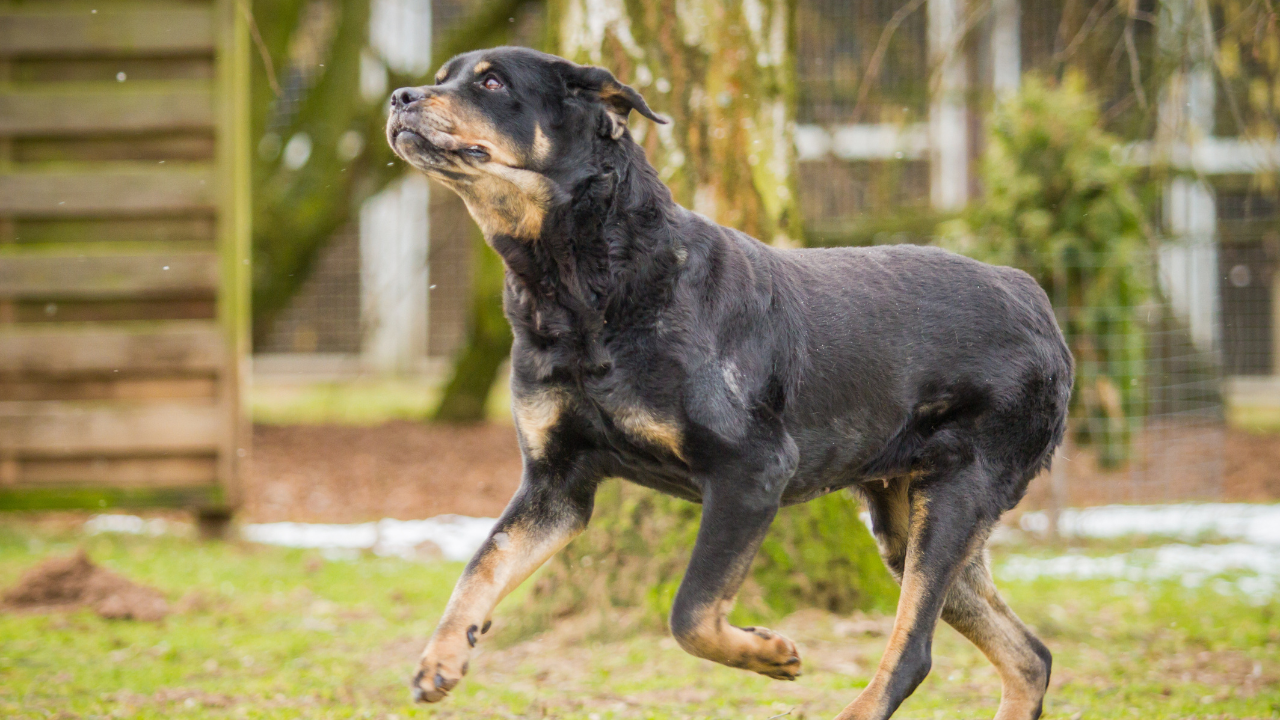
These dogs are rare. In some cases, only a handful are alive nationwide at any given time. One such dog, a Rottweiler well into her teens, represents the physiological equivalent of a centenarian human. Observing these animals where they live, rather than in artificial settings, allowed researchers to ask deeper questions about what successful aging truly looks like.
Why Rottweilers matter in aging research
Rottweilers are known to be a cancer-prone breed with an average lifespan far shorter than many other dogs. Yet within large datasets collected over decades, a small subset of Rottweilers lived far beyond expectations—reaching ages comparable to 100-year-old humans.
What made them different?
These exceptionally long-lived dogs showed something unexpected: a resistance to cancer mortality. While cancer commonly causes death in Rottweilers of average lifespan, it was far less likely to be the cause of death in these oldest individuals. This discovery prompted a deeper investigation into what biological and environmental factors might be protecting them.
Cancer resistance does not always mean cancer absence
One of the most surprising findings came from post-mortem examinations. Many of these long-lived dogs were found to harbor cancer—sometimes multiple, independent cancers—yet the disease had not shortened their lives.
This reframes a fundamental question in cancer science. Instead of asking how to eliminate cancer entirely, these dogs suggest another possibility: how cancer might be transformed from a lethal condition into a manageable, non-lethal one.
Understanding how this happens could have profound implications for both veterinary and human medicine.
Stress, aging, and the cortisol paradox
A second major insight emerged around stress biology.
Conventional wisdom suggests that aging is associated with rising levels of cortisol, a stress hormone linked to immune suppression, cognitive decline, and tumor growth. This pattern appears across many species, including humans.
But when cortisol levels were measured in the oldest living dogs, the results challenged that assumption.
Despite their advanced age, none of the dogs showed elevated cortisol levels. Some even displayed unusually low levels—while still maintaining a healthy, youthful response when their stress systems were challenged. This balance suggests a unique adaptation: the ability to stay calm at baseline while remaining responsive when needed.
This pattern has not been widely documented before and opens new avenues for understanding resilience in aging organisms.
Discovery happens outside the laboratory
Beyond biology, this research highlights a deeper lesson about the scientific process itself.
By conducting examinations in homes rather than controlled lab environments, researchers were able to observe behaviors, stress responses, and environmental factors that might otherwise go unnoticed. Conversations with dog owners revealed lives largely free from chronic stressors—an insight that data alone could not have provided.
The takeaway is simple but powerful: meaningful discovery often begins with firsthand observation.
Getting the words out of your eyes
The central message of this talk echoes a broader philosophy of discovery: assumptions can limit what we see.
When long-standing beliefs define what aging “must” look like, alternative possibilities are easily overlooked. Only by stepping outside established frameworks—by entering living rooms instead of relying solely on laboratories—can new insights emerge.
This idea applies far beyond aging research. Whether studying biology, education, or human behavior, progress depends on curiosity, observation, and a willingness to challenge accepted narratives.
Why this research matters for people and pets
The lessons from the oldest living dogs extend well beyond canine health. They suggest new ways of thinking about:
-
Aging without assuming inevitable decline
-
Managing stress without shutting down resilience
-
Approaching disease as something that can sometimes be adapted to, not just eliminated
-
Rethinking how and where discovery begins
These dogs offer more than companionship. They offer perspective.
Watch the full talk
The video above explores these ideas in depth, weaving together science, storytelling, and a powerful message about discovery in an uncertain world. Watching the full talk provides context, nuance, and insight that go beyond any summary.
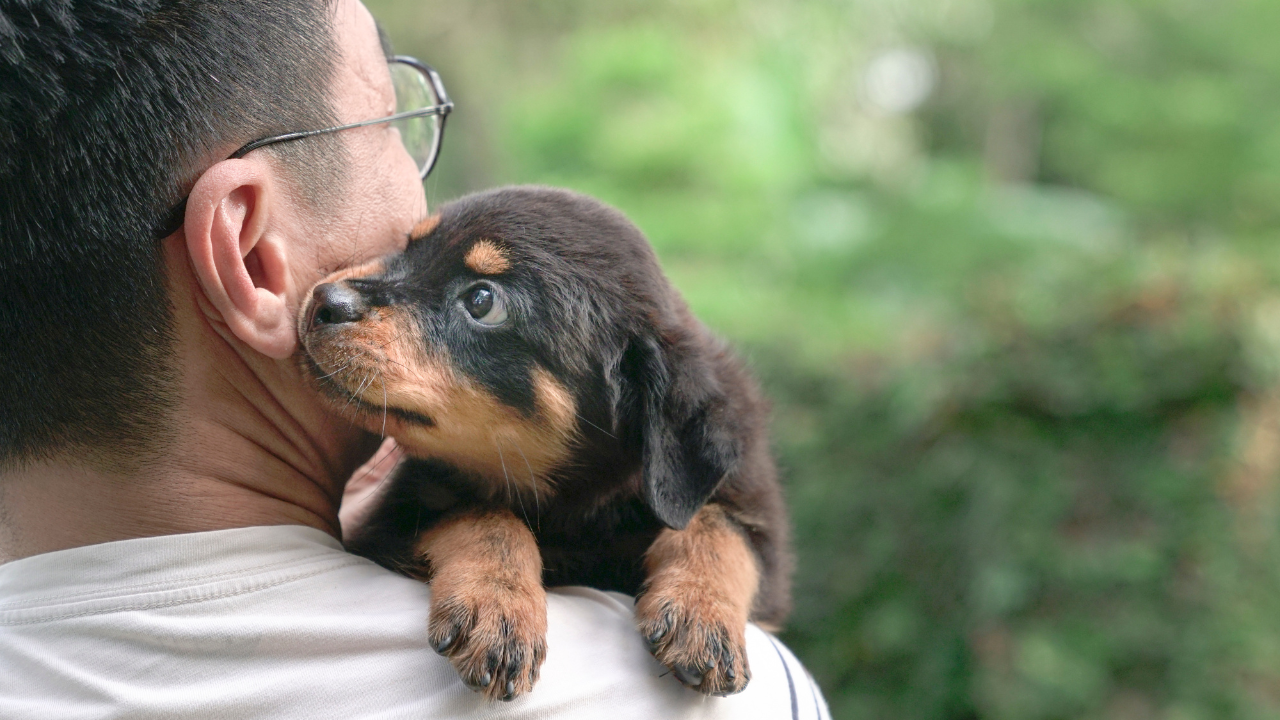
What it’s Really Like Bringing Home a Rottweiler Puppy
Bringing home a Rottweiler puppy: what to expect in the first weeks
Bringing home a Rottweiler puppy is an exciting milestone, but it is very different from bringing home many other breeds. Rottweilers are intelligent, observant, and purposeful—even as young puppies. They are not simply growing into their temperament; they arrive already wired to assess their environment, bond closely with their people, and look for structure.
Understanding what is normal for a Rottweiler puppy in the first days and weeks helps you set realistic expectations and create a strong foundation for the adult dog they will become.
The Rottweiler temperament starts early
Many new owners are surprised by how thoughtful a Rottweiler puppy can be. Instead of constant chaos, you may see periods of quiet observation mixed with bursts of play.
Early temperament traits often include:
-
Pausing to watch before engaging
-
Staying physically close to family members
-
Strong eye contact and awareness
-
Confidence paired with sensitivity to change
This seriousness is part of the breed’s working heritage. Your puppy is learning who you are, how your household works, and what is expected long before formal training begins.
The first 72 hours at home
The transition from breeder to home is a major adjustment. New sights, smells, sounds, and routines can be overwhelming, even for a confident puppy.
During the first few days, it is normal for a Rottweiler puppy to:
-
Sleep more than expected
-
Eat lightly the first day or two
-
Vocalize at night
-
Follow you closely or, conversely, seek quiet space
Keep the environment calm and predictable. Limit visitors, establish a simple routine, and allow your puppy to decompress. These first days are about security, not stimulation.
Why structure matters so much for this breed
Rottweilers thrive on clarity. Structure gives them confidence and helps prevent confusion-driven behaviors later on.
Strong early structure includes:
-
Consistent feeding times
-
Regular potty breaks
-
Defined resting areas
-
Calm, consistent handling
Structure is not about strictness or dominance. It is about clear communication. When a Rottweiler puppy understands what to expect, they relax and engage more willingly.
Building trust and connection from day one
Rottweiler puppies form deep, lasting bonds. The relationship you build early will shape how your dog responds to guidance throughout their life.
Effective early bonding looks like:
-
Calm praise instead of constant excitement
-
Hand-feeding portions of meals to build trust
-
Gentle handling of paws, ears, and mouth
-
Short, positive training interactions
These puppies want to work with their people. When guidance feels fair and predictable, cooperation comes naturally.
Socialization with purpose, not pressure
Socialization is essential, but for Rottweilers, quality matters more than quantity. The goal is a dog who is confident and neutral in many environments.
Good socialization includes:
-
Exposure to different surfaces and environments
-
Calm introductions to people of all ages
-
Controlled interactions with stable dogs
-
Learning to observe without being forced to engage
A well-socialized Rottweiler is steady and self-assured, not frantic or reactive.
Training begins immediately
Rottweilers are quick learners and fast pattern-builders. What they practice early tends to stick, for better or worse.
In the first weeks, focus on:
-
Name recognition
-
Simple positions such as sit and down
-
Leash familiarity
-
Waiting calmly for food or doors
Keep sessions short and frequent. Clear expectations paired with positive reinforcement help your puppy understand how to succeed.
Understanding normal Rottweiler puppy behaviors
Some behaviors can catch new owners off guard but are completely normal for the breed.
You may notice:
-
Intense mouthing due to strong jaws
-
Leaning or body blocking
-
Guarding favorite resting spots
-
Deep focus on movement or sound
These behaviors reflect confidence and engagement. They require guidance and redirection, not punishment. Teaching appropriate outlets early prevents frustration later.
Rest and growth are part of training
Rottweiler puppies grow rapidly, and their bodies need protection during this stage.
Support healthy development by:
-
Limiting stairs and jumping
-
Avoiding forced or repetitive exercise
-
Encouraging frequent naps
-
Providing good footing indoors
A well-rested puppy learns better, copes with change more easily, and develops more soundly.
Laying the groundwork for a stable adult dog
The first weeks are not about perfection. They are about consistency, patience, and clarity.
When your Rottweiler puppy experiences:
-
Predictable routines
-
Fair boundaries
-
Calm leadership
-
Positive, controlled exposure
They gain confidence in both themselves and their environment. These early lessons shape a reliable, trustworthy adult.
Final thoughts
Bringing home a Rottweiler puppy is the beginning of a powerful partnership. This breed rewards thoughtful ownership with loyalty, intelligence, and deep connection.
By understanding what to expect, honoring the breed’s working heritage, and staying consistent during the early weeks, you set your Rottweiler puppy up for a lifetime of success as a companion and guardian.
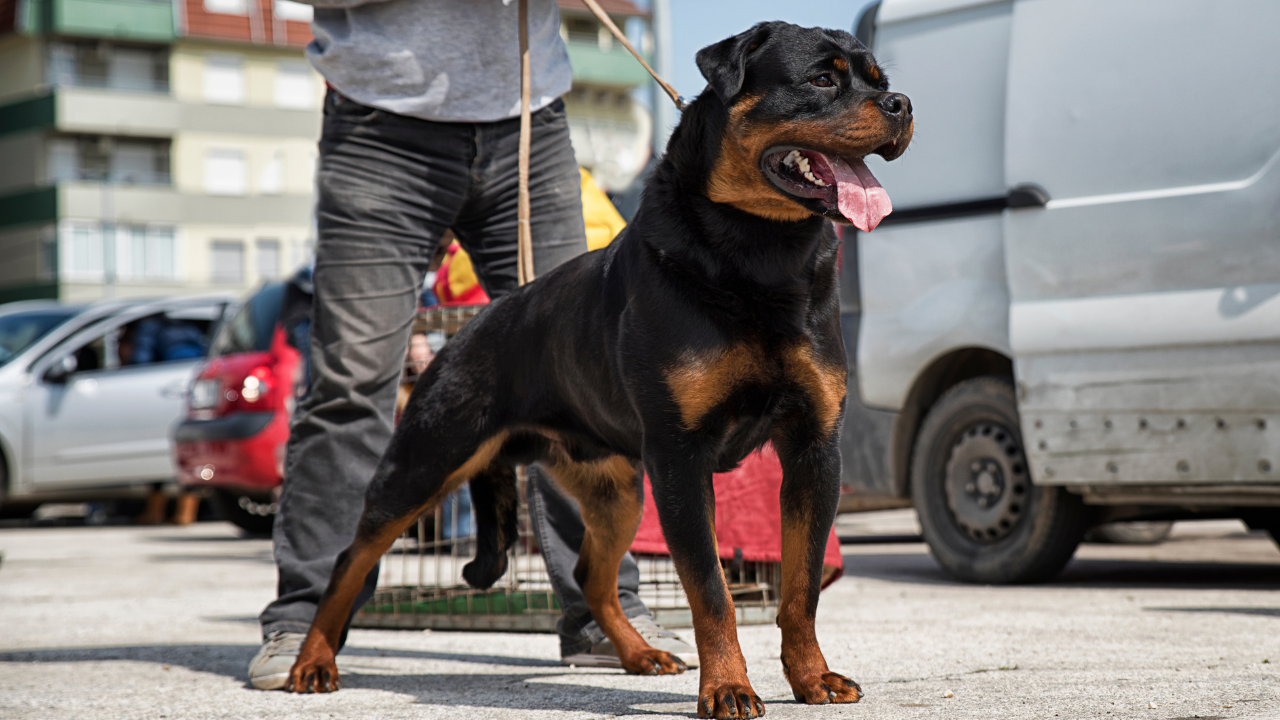
Rottweiler Liability Explained: What every Guardian Breed Owner Must Know
When power, instinct, and ownership intersect
Rottweilers are one of the most capable and misunderstood guardian breeds in the dog world. Strong, intelligent, and deeply intuitive, they were never designed to be passive companions. They were bred with purpose—to guard, assess, and protect.
Yet many modern owners bring a guardian breed into their home without fully understanding what that responsibility entails. When instinct meets poor management, confusion follows. And when confusion meets the wrong situation, liability becomes very real, very fast.
Before we go any further, this perspective says it best—clearly, bluntly, and with uncomfortable accuracy:
Let’s have a quick chat about liability when you own a guardian breed—because some of y’all look genuinely baffled that your Rottweiler… guards.
This is a dog bred for centuries to protect property, livestock, families, and occasionally your emotional stability when life is messy. This is not a doodle who picked up a side gig. This is a dog whose entire genetic résumé reads: “Head of Security.”
So when your Rottie stations herself at the window like a federal agent waiting for a plot twist, that’s not reactivity. That’s her shift starting. She’s checking the perimeter, assessing threats, and mentally categorizing the landscapers as “possible leaf criminals.”And here’s the part some folks don’t want to hear:
If you don’t train or supervise that kind of instinctive power?
The liability is 100% on you.Your dog doesn’t care that you live in a serene cul-de-sac where the wildest thing that happens is someone putting their recycling out late. Guardian breeds don’t read HOA newsletters—they read body language, tension, energy, and intent. They clock the vibe of a room before you even turn the doorknob.
Training? Not optional.
Management? Not optional.
Understanding what your dog was bred for? Also not optional—unless you enjoy filling out incident reports at midnight.If your Rottweiler growls, alerts, blocks, patrols, shadow-walks you, or gives someone that “I’ve noticed your existence” stare?
That’s not misbehavior.
That’s ancestry clocking in.Your dog isn’t broken. She is literally doing her job.
So be proactive.
Teach her what real threats look like.
Reinforce neutrality.
Give her structured work that doesn’t involve terrifying the Amazon driver.
Advocate for her. Train consistently.And stop acting shocked when a working-bred dog shows up ready to, you know… work.
Because if you don’t give structure to a guardian breed, they’ll start freelancing.
And trust me—
you do not want a freelance Rottweiler making executive decisions.~Author Unknown
What responsible guardian breed ownership actually requires
Guardian breeds thrive when leadership, structure, and clarity are consistent. When owners fail to provide those things, dogs are forced to interpret the world on their own—and they will default to instinct every time.
Responsible ownership means:
-
Proactive training that teaches neutrality, control, and appropriate responses
-
Daily management of environment, visitors, and situations
-
Understanding breed history and genetic purpose
-
Advocacy that protects both the dog and the public
-
Accepting liability as a given, not a surprise
This is not about suppressing instinct. It is about shaping it. A well-trained Rottweiler is confident, discerning, and stable. A poorly managed one is placed in impossible situations that set them up to fail.
Guardian breeds do not need less structure. They need more—and they deserve it.
If you choose a Rottweiler, you are choosing power, loyalty, intelligence, and responsibility in equal measure. Honor that choice by doing the work.
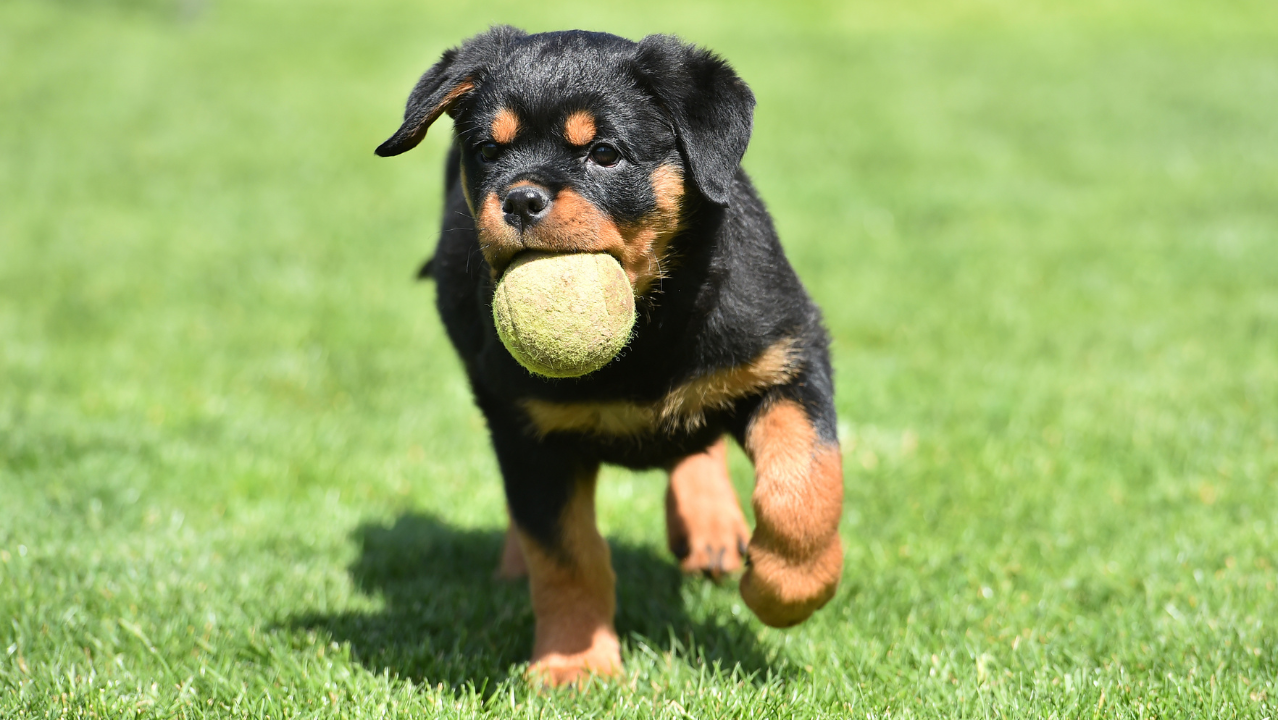
Responsible Rottweiler Breeders: What to Look For and Why It Matters
How to identify responsible Rottweiler breeders and why ethics matter
Finding responsible Rottweiler breeders matters more than many people realize. The choices breeders make shape the health, temperament, and future of the breed for generations. Ethical breeding is the difference between preserving a powerful working dog and contributing to long-term problems that affect dogs, owners, and the public.
The Colonial Rottweiler Club (CRC) has spent decades promoting responsible breeding practices grounded in health, temperament, education, and accountability. Understanding what defines a responsible breeder helps puppy buyers make informed decisions and supports the preservation of the Rottweiler as it was intended.
What defines responsible Rottweiler breeders
Responsible Rottweiler breeders place the well-being of the breed above convenience or profit. Their programs are intentional, transparent, and guided by established standards rather than trends.
Key characteristics include:
-
Breeding only dogs that meet the AKC Rottweiler Breed Standard
-
Prioritizing stable temperament and working ability
-
Completing appropriate health testing before breeding
-
Limiting the number of litters to protect the dam
-
Providing lifelong responsibility for the dogs they produce
Responsible breeders understand that every breeding decision has long-term consequences.
Health testing is a baseline, not a bonus
One of the clearest markers of responsible Rottweiler breeders is a commitment to health screening. Ethical breeding programs use health testing to reduce the risk of inherited disease and protect the longevity of the breed.
Common expectations include:
-
Hip evaluations through OFA or PennHIP
-
Cardiac screening performed by a board-certified cardiologist
-
Disclosure of known health concerns within breeding lines
-
Willingness to remove dogs from breeding programs when necessary
Health testing reflects planning, accountability, and respect for the dogs involved.
Temperament and stability come first
Rottweilers are guardian dogs by design. Responsible Rottweiler breeders select for confident, stable temperament that reflects the breed’s purpose without promoting fearfulness or aggression.
This includes:
-
Careful evaluation of breeding stock behavior
-
Early socialization and exposure to people and environments
-
Honest placement decisions based on each puppy’s temperament
-
Ongoing support for puppy buyers after placement
Temperament is not accidental. It is cultivated through thoughtful breeding and responsible rearing.
Ethical placement and transparency with buyers
Responsible breeders do not sell puppies casually. They take time to educate buyers, screen homes, and match puppies appropriately.
Ethical placement practices include:
-
Written contracts that protect both dog and buyer
-
Clear communication about health, pedigree, and expectations
-
Refusal to sell to unsuitable homes or high-risk situations
-
Commitment to take back dogs if circumstances change
Transparency builds trust and reduces the likelihood of dogs entering rescue situations later in life.
Why a Code of Ethics matters
A formal Code of Ethics creates consistency and accountability across a breeding community. The Colonial Rottweiler Club requires members to adhere to ethical standards that reflect decades of breed stewardship.
A Code of Ethics helps:
-
Establish clear expectations for responsible breeding
-
Protect the public from unethical practices
-
Support breeders who prioritize long-term preservation
-
Provide a framework for education and enforcement
Ethics transform good intentions into measurable standards.
The role of responsible breeders in protecting the breed’s reputation
Rottweilers are frequently misunderstood. Irresponsible breeding and poor placement decisions contribute to negative perceptions that affect legislation, housing access, and public acceptance.
Responsible Rottweiler breeders help counter these issues by producing dogs that are physically sound, mentally stable, and well-placed with educated owners. Their work protects both the breed and the people who love it.
How the Colonial Rottweiler Club supports responsible breeding
CRC promotes responsible breeding through education, health advocacy, ethical standards, and community accountability. Membership reflects a shared commitment to preserving the Rottweiler through informed, ethical decision-making.
By supporting responsible breeders, CRC helps ensure that future generations of Rottweilers remain capable, confident, and true to the breed’s purpose.
Choosing responsibility protects the future
Responsible Rottweiler breeders are stewards of the breed’s future. Their work requires patience, honesty, and long-term vision. Choosing ethical breeding practices protects dogs, supports owners, and honors the Rottweiler’s legacy.
Preservation begins with responsibility.